Energy Management: The Key to Sustaining Focus in Creative Pursuits
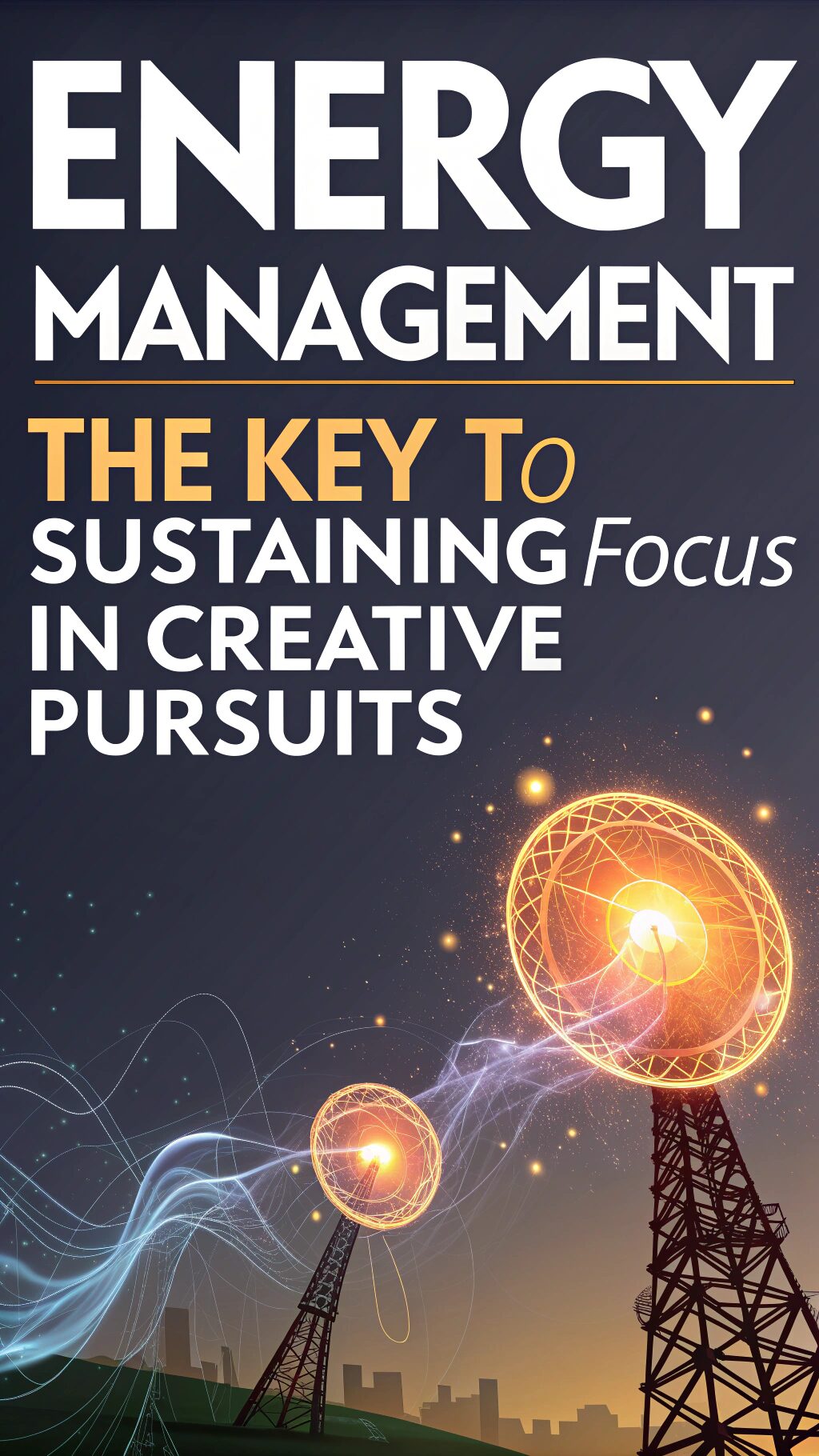
Energy Management: The Key to Sustaining Focus in Creative Pursuits
Have you ever sat down to work on a creative project, full of ideas, only to hit a wall midway through because your energy fizzled out? In the world of creativity—whether you’re writing, designing, or innovating—sustaining focus isn’t just about willpower; it’s about managing your energy wisely. Drawing from the actionable insights in “The Focus Habit” by B.A. Christopher, which teaches how to reprogram your attention for deeper productivity, this post explores energy management as the key to maintaining that focus. By aligning your energy peaks with clear goals and smart time allocation, you’ll turn creative pursuits into habits of consistent output, achieving more without the burnout. Let’s get practical and outline how to make this work for you.
Energy management starts with recognizing that your focus is tied to your physical and mental reserves, not just the clock. Unlike time, which is fixed at 24 hours a day, energy fluctuates—it’s high after a good night’s sleep or a healthy meal, and low during afternoon slumps. To sustain focus in creative work, treat energy as your primary resource. Set goals around your natural rhythms: identify your peak times, often in the morning for many people, and schedule demanding creative tasks then. This straightforward approach ensures you’re not forcing focus when depleted, but rather channeling it effectively to accomplish tasks faster and with better quality.
To build this into a habit, follow a simple framework that integrates goal setting with energy awareness. First, track your energy patterns for a week. Note when you feel most alert and productive—perhaps after exercise or a short break—and align your daily goals accordingly. For instance, if your energy peaks from 9 to 11 AM, dedicate that slot to high-focus creative work, like brainstorming ideas for a new design, and save routine tasks for lower-energy periods. This mirrors how habit formation relies on consistency, turning energy-aligned scheduling into an automatic routine that boosts overall productivity.
Next, incorporate replenishment strategies to maintain steady energy levels. Break your day into focused blocks with built-in recovery: after 90 minutes of deep creative work, take a 10-minute walk or stretch to recharge. Nutrition plays a role too—opt for balanced snacks that sustain blood sugar, avoiding crashes from sugary highs. By setting achievable goals like “Complete one creative segment per energy peak,” you prevent exhaustion and keep your focus sharp. Remember, the aim is sustainability; pushing through low-energy states leads to diminished results, while managed energy leads to breakthroughs without wasting time on ineffective efforts.
Of course, creative pursuits often involve unpredictable inspiration, but that’s where goal-setting flexibility comes in. Define your objectives clearly at the start of each session—such as “Outline three key ideas”—but allow room for flow. If energy dips unexpectedly, pivot to a less demanding task rather than forcing it, preserving your reserves for when it counts. Over time, this practice builds a focus habit that feels natural, much like the protocols in “The Focus Habit” for enhancing daily concentration through purposeful actions.
To apply this today, set one energy-based goal: Map your peak times and assign a creative task to one of them. Track how it impacts your output, and adjust as needed. By mastering energy management, you’ll sustain focus longer, turning creative pursuits into a pathway for greater success with less effort.
What’s your go-to strategy for managing energy during creative work? Share in the comments, and let’s exchange ideas for building unbreakable focus habits.
The Focus Habit 2nd Edition – On Amazon – Kindle
The Focus Habit 2nd Edition – On Amazon – Print
The Focus Habit – On Various Book Retailer Sites
Audiobook Versions:
The Focus Habit 2nd Edition – Google Play
The Focus Habit 2nd Edition – Kobo – Walmart