“The 7 Deceptive Voices” That Are Making and Keeping You Fat
The 7 Voices Sabotaging Your Appetite
Most people assume overeating is a simple math problem. Calories in versus calories out. Willpower versus weakness.
But anyone who has seriously tried to change their eating habits knows the equation doesn’t balance. You eat when you aren’t hungry. You feel starving moments after a full meal. You crave sugar at 10 p.m. even though you just brushed your teeth.
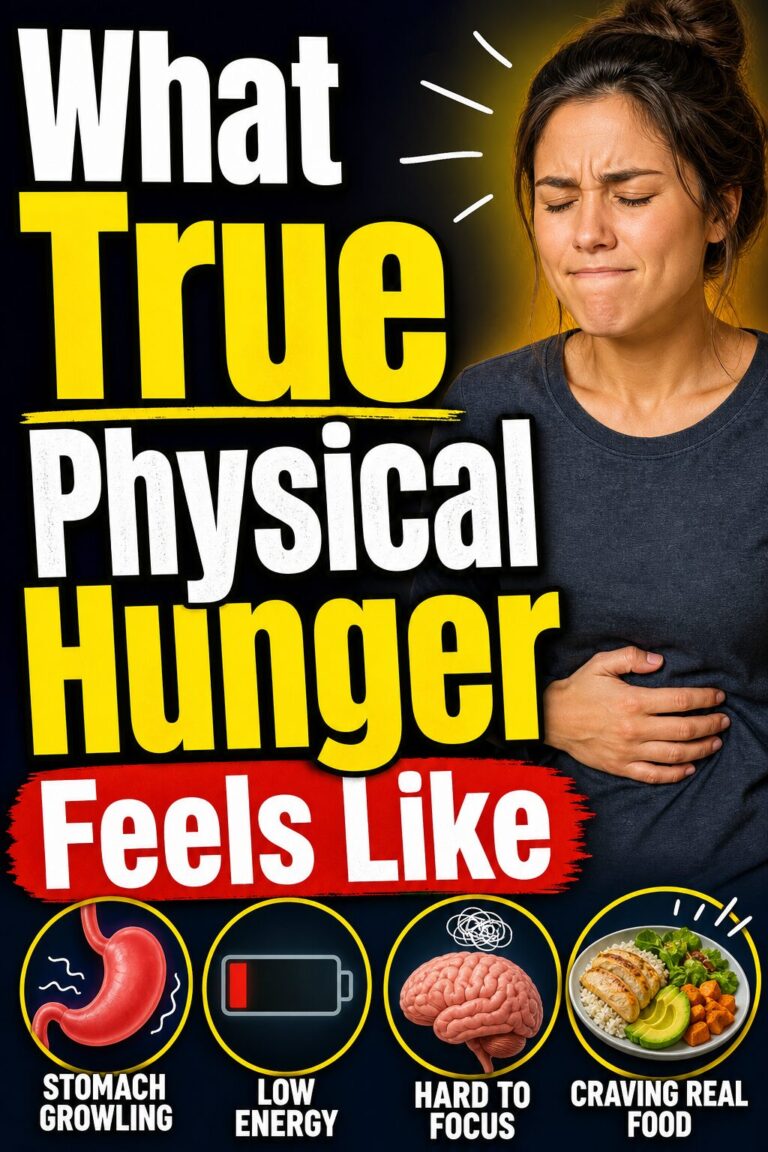
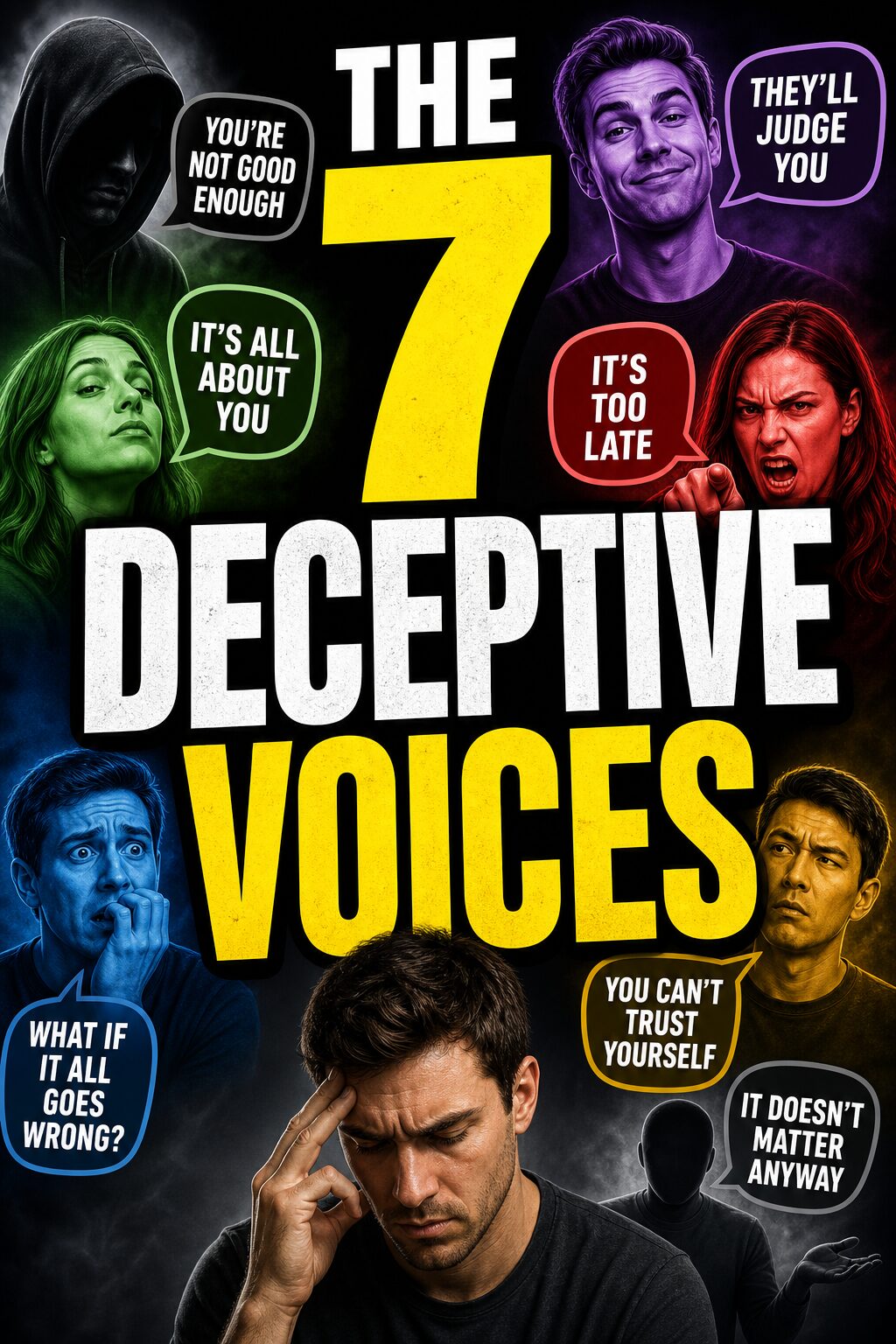
The problem isn’t a lack of discipline. It is a breakdown in communication. You aren’t hearing one voice—the steady signal of true physical hunger. You are hearing a chaotic mix of deceptive voices. These are distortions created by emotion, habit, biology, and even the microbes living in your gut.
Our new video turns these seven common saboteurs into simple icons. When you can see the voice, you can separate it from real hunger. You can finally hear your body’s actual signal through the noise.
The Voice of Emotion
This is the loudest and most familiar. Stress, boredom, sadness, or even excitement triggers a powerful urge to eat. Your brain is looking for dopamine or comfort. The food feels urgent, but the hunger is hollow.
The fix for this one is a simple pause. Before you take a bite, ask what you are really hungry for. If the answer isn’t a specific food, the emotion is driving the bus.
The Voice of Habit
You eat lunch at noon because the clock says so, not because your stomach needs fuel. You clear your plate because that was the rule as a kid. You walk into the kitchen and grab a snack automatically.
Habit creates phantom hunger tied to time, place, and routine. It bypasses awareness entirely. The work here is bringing conscious attention to the moment you choose to eat. Just noticing the pattern is often enough to break it.
The Voice of Sleep Loss
Skimping on sleep hijacks your appetite biology directly. It raises ghrelin, the hunger hormone, and suppresses leptin, the fullness hormone. You feel hungrier, and you crave high-calorie, high-carb foods for quick energy.
This is pure physiology. If you are tired, your hunger signals will lie to you. No amount of willpower can fix a hormonal distortion caused by sleep deprivation.
The Voice of the Microbiome
Your gut is filled with bacteria that have their own food preferences. The microbes that thrive on sugar want you to eat sugar. They send signals to your brain that mimic hunger, specifically for what they need to survive.
You aren’t hungry. They are. Changing what you eat shifts the population of your gut. Over time, the cravings fade as the balance of bacteria changes.
The Voice of Thirst
The brain can easily confuse thirst for hunger. The hypothalamus manages both drives. Mild dehydration often feels like a gnawing sensation in the stomach.
This is the easiest voice to unmask. Drink a full glass of water and wait ten minutes. If the hunger disappears, it was never hunger at all.
The Voice of Restriction
This is the rebel voice. The moment you tell yourself you cannot have something, it becomes the only thing you want. This creates scarcity and panic. It is the “last supper” effect that leads to bingeing after a strict diet.
True hunger is patient. This voice is desperate. The only way to silence it is to stop labeling foods as forbidden. Honoring a craving in a measured way removes its power.
The Voice of the Environment
The sight of a donut in the break room. A commercial for pizza. The smell of popcorn in a theater lobby. Food cues are everywhere.
This voice bypasses logic and triggers a primal drive to eat. Our brains are wired to eat when food is present, regardless of fullness. The solution is building a brief pause between the cue and the action. A ten-second breath can give the rational brain time to catch up.
Hearing the Real Voice
These seven voices are running the show for most people. The first step is not fighting them—it is recognizing them.
The video we created is a simple field guide. Each voice gets a distinct icon so you can spot the distortion in the wild of daily life. When you can look at a craving and say, “That is the sleep deprivation voice, not real hunger,” you win the battle.
The goal of this work is not restriction. It is becoming fluent in the language of your own body.
Discover the voices behind overeating—and how to hear the real one.
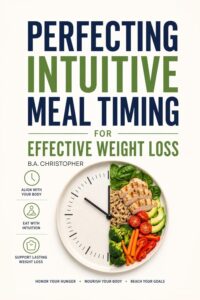
You can see the book “Perfecting Intuitive Meal Timing for Effective Weight Loss: Learn to Find Your True Physical Body Hunger Signal So You Eat Only When the Physical Body Absolutely Needs to Eat” on Amazon here https://www.amazon.com/dp/B0H93NV572