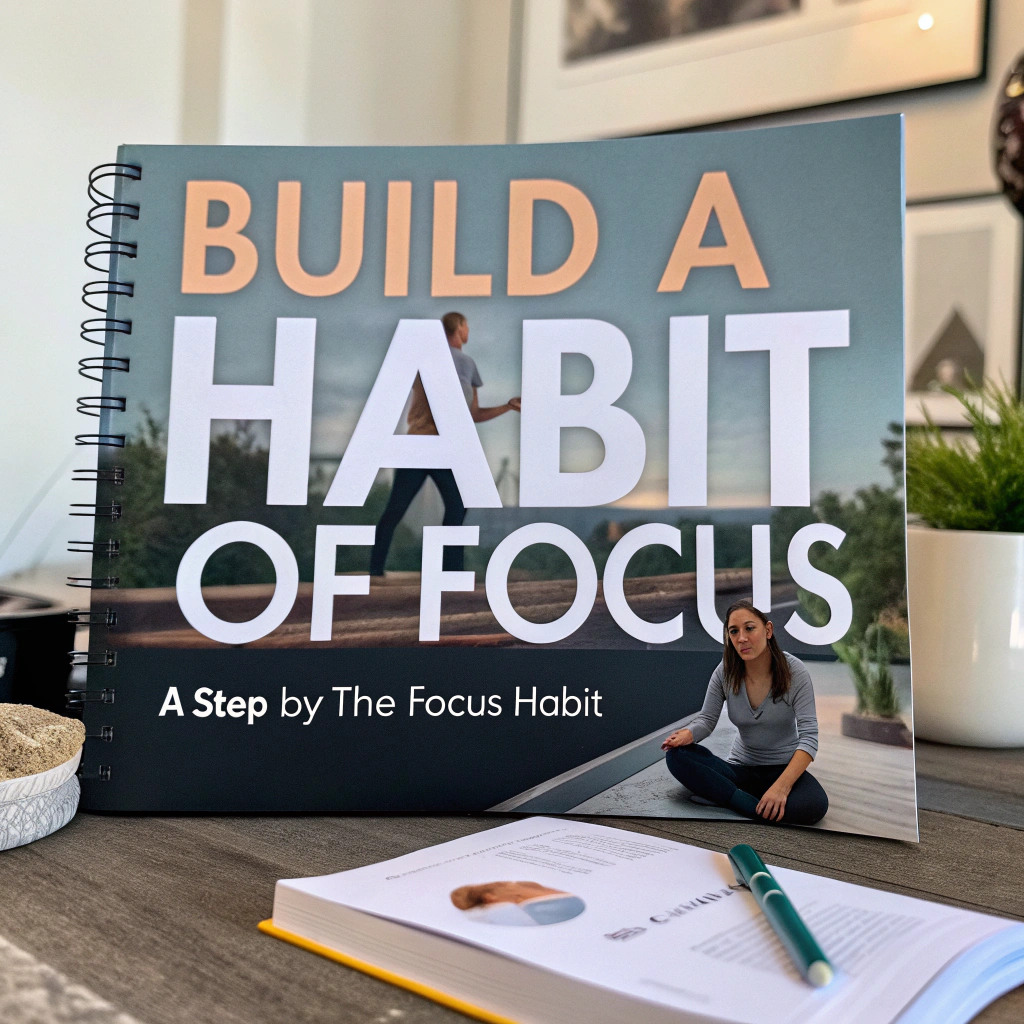
Build a Habit of Focus: A Step‑by‑Step Guide Inspired by The Focus Habit
Build a Habit of Focus: A Step-by-Step Guide Inspired by The Focus Habit
In today’s fast-paced, distraction-filled world, maintaining focus feels like a superpower. Notifications ping, social media scrolls endlessly, and our minds wander like digital nomads. But what if you could train your brain to lock in and stay productive? Enter The Focus Habit—a transformative approach to building concentration as a daily habit. Inspired by this method (drawing from habit-building principles like those in James Clear’s Atomic Habits but tailored to focus), this step-by-step guide will help you cultivate laser-sharp attention. Whether you’re a busy professional, student, or entrepreneur, mastering the habit of focus can skyrocket your productivity, reduce stress, and boost overall well-being.
If you’re searching for ways to improve focus and concentration, you’ve landed in the right place. We’ll break down practical, actionable steps to build a sustainable focus habit, backed by science and real-world tips. Let’s dive in and turn scattered thoughts into focused action.
Why Building a Habit of Focus Matters Now More Than Ever
Before we get into the how-to, let’s talk why. Research from the American Psychological Association shows that the average person checks their phone 96 times a day (talk about psycho…), leading to fragmented attention spans. Chronic distraction not only hampers productivity but also increases anxiety and burnout.
The Focus Habit emphasizes that focus isn’t an innate talent—it’s a skill honed through deliberate practice. By adopting these habits, you can:
- Enhance Productivity: Deep work sessions can accomplish in hours what shallow multitasking stretches over days.
- Improve Mental Health: Focused habits reduce decision fatigue and foster a sense of accomplishment.
- Achieve Long-Term Goals: Whether it’s learning a new skill or advancing your career, sustained focus is the bridge to success.
Studies, like those from the Journal of Experimental Psychology, confirm that habit formation rewires the brain’s neural pathways, making concentration automatic over time. Ready to build yours? Let’s start with the foundation.
Step 1: Assess Your Current Focus Landscape
You can’t fix what you don’t measure. The first step in building a habit of focus, as outlined in The Focus Habit, is auditing your distractions and energy levels. This self-awareness prevents you from fighting blind.
How to Do It:
- Track Your Day: For three days, log your activities every 30 minutes using a simple app like Toggl or a notebook. Note what pulls you away—emails, social media, or even internal thoughts like worry.
- Identify Peak Times: When do you feel most alert? Mornings for some, afternoons for others. Align deep-focus tasks with these windows.
- Pinpoint Triggers: Are notifications your nemesis? Cluttered desks? Emotional stress? Rate distractions on a scale of 1-10.
Pro Tip: Aim for honesty. If your audit reveals 4+ hours of daily scrolling, that’s your baseline—not a judgment. This step sets a realistic starting point, much like measuring your fitness before a workout plan.
By understanding your focus gaps, you’ll target them effectively, avoiding the common pitfall of generic advice that ignores personal habits.
Step 2: Set Micro-Goals to Build Momentum
Big ambitions fizzle without structure. The Focus Habit advocates starting small to create “wins” that dopamine-boost your brain into craving more focus.
Actionable Steps:
- Define Your ‘Why’: Why focus? Write one sentence: “I want to focus to finish my novel without interruptions.” This anchors motivation.
- Use the Two-Minute Rule: Borrowed from habit experts, make your focus habit start tiny. Commit to just two minutes of uninterrupted work on a task. (e.g., “Read one page without checking email.”)
- Break It Down: For larger goals, use the SMART framework (Specific, Measurable, Achievable, Relevant, Time-bound). Instead of “Be more focused,” try “Work on reports for 25 minutes daily at 9 AM.”
SEO Insight: If you’re optimizing for “how to improve focus,” remember that micro-goals combat procrastination. Tools like Habitica or Focus@Will can gamify this, turning habit-building into an engaging routine.
Over time, these bitesize commitments compound, transforming sporadic efforts into a reliable focus habit.
Step 3: Design Your Focus Environment and Routine
Environment shapes behavior. The Focus Habit stresses curating a space and schedule that signals “focus mode” to your brain, minimizing friction.
Optimize Your Setup:
- Declutter Physically and Digitally: A tidy desk reduces cognitive load. Use apps like Freedom or LeechBlock to limit distracting sites during work blocks.
- Incorporate Sensory Cues: Dim lights, noise-cancelling headphones with white noise, or a specific playlist. Pair these with your routine to trigger focus automatically.
- Time Block Your Day: Schedule focus sessions like appointments. Start with 25-minute Pomodoro bursts (work + 5-minute break), inspired by Francesco Cirillo’s technique.
Daily Routine Example:
- Morning: 10-minute meditation to prime attention (apps like Headspace help beginners).
- Work Blocks: 4×25-minute sessions with full breaks.
- Evening Wind-Down: No screens 1 hour before bed to protect sleep quality, which is crucial for next-day focus.
Science backs this: A study in Environment and Behavior found that optimized workspaces boost concentration by up to 15%. Experiment and tweak—your ideal routine might evolve.
Step 4: Master Focus Techniques for Deeper Concentration
Now, layer in proven methods to sustain attention during sessions. The Focus Habit draws from neuroscience to recommend techniques that combat mind-wandering.
Key Techniques to Try:
- Pomodoro with a Twist: After each 25 minutes, reflect: “What distracted me? How can I adjust?” This builds meta-awareness.
- Mindfulness Breathing: When focus slips, pause for 4-7-8 breathing (inhale 4 seconds, hold 7, exhale 8). It resets the parasympathetic nervous system.
- Single-Tasking: Ditch multitasking myths. Focus on one thing—research from Stanford shows multitaskers perform worse on cognitive tests.
- The 5-Why Drill: If procrastination hits, ask “Why?” five times to uncover root causes, then address them.
For “habits to improve concentration,” integrate body-doubling: Work alongside a friend (virtually or in-person) for accountability without chit-chat.
Practice these daily, and you’ll notice fewer lapses. Consistency is key—aim for 21 days to solidify the neural habit.
Step 5: Track Progress and Adjust for Longevity
Habits thrive on feedback. The Focus Habit insists on regular check-ins to celebrate wins and course-correct.
How to Track:
- Use a Habit Tracker: Apps like Streaks or a simple journal. Mark daily focus sessions and rate your energy (1-10).
- Weekly Reviews: Sunday evenings, review: What worked? What didn’t? Adjust goals accordingly.
- Measure Outcomes: Track metrics like completed tasks or reduced screen time. Tools like RescueTime automate this.
Overcoming Plateaus: If focus wanes, introduce variety—alternate techniques or reward milestones (e.g., a favorite coffee after a week of streaks). Remember, slips happen; the habit is resuming, not perfection.
Long-term, this tracking turns focus into an autopilot skill, freeing mental energy for creativity and joy.
Common Pitfalls in Building a Focus Habit (And How to Avoid Them)
Even the best plans hit snags. Here’s what to watch for:
- Overloading Your Schedule: Start with one 25-minute block daily. Scale up gradually.
- Ignoring Self-Care: Poor sleep or nutrition tanks focus. Prioritize 7-9 hours of sleep and balanced meals.
- Perfectionism Trap: If you miss a day, don’t quit—use the “never miss twice” rule from habit gurus.
- External Pressures: Communicate boundaries. Tell colleagues, “I’m in focus mode from 10-11 AM.”
By anticipating these, you’ll build resilience, making your focus habit stickier.
Final Thoughts: Start Your Focus Journey Today
Building a habit of focus isn’t about overnight magic—it’s about consistent, small steps inspired by The Focus Habit. From auditing distractions to mastering routines, you’ve got the blueprint. Imagine reclaiming hours each day for what truly matters: your goals, relationships, and growth.
Ready to begin? Pick one step—maybe that two-minute rule—and commit today. Share your progress in the comments below or on social media with #FocusHabit. For more tips on habit building and productivity, check out related posts like “Top Apps to Boost Concentration” or “Atomic Habits for Busy Professionals.”
Focus isn’t just a skill; it’s your edge in a chaotic world. What’s one distraction you’ll tackle first?
The Focus Habit 2nd Edition – On Amazon – Kindle
The Focus Habit 2nd Edition – On Amazon – Print
The Focus Habit – On Various Book Retailer Sites
Audiobook Versions:
The Focus Habit 2nd Edition – Google Play
The Focus Habit 2nd Edition – Kobo – Walmart