
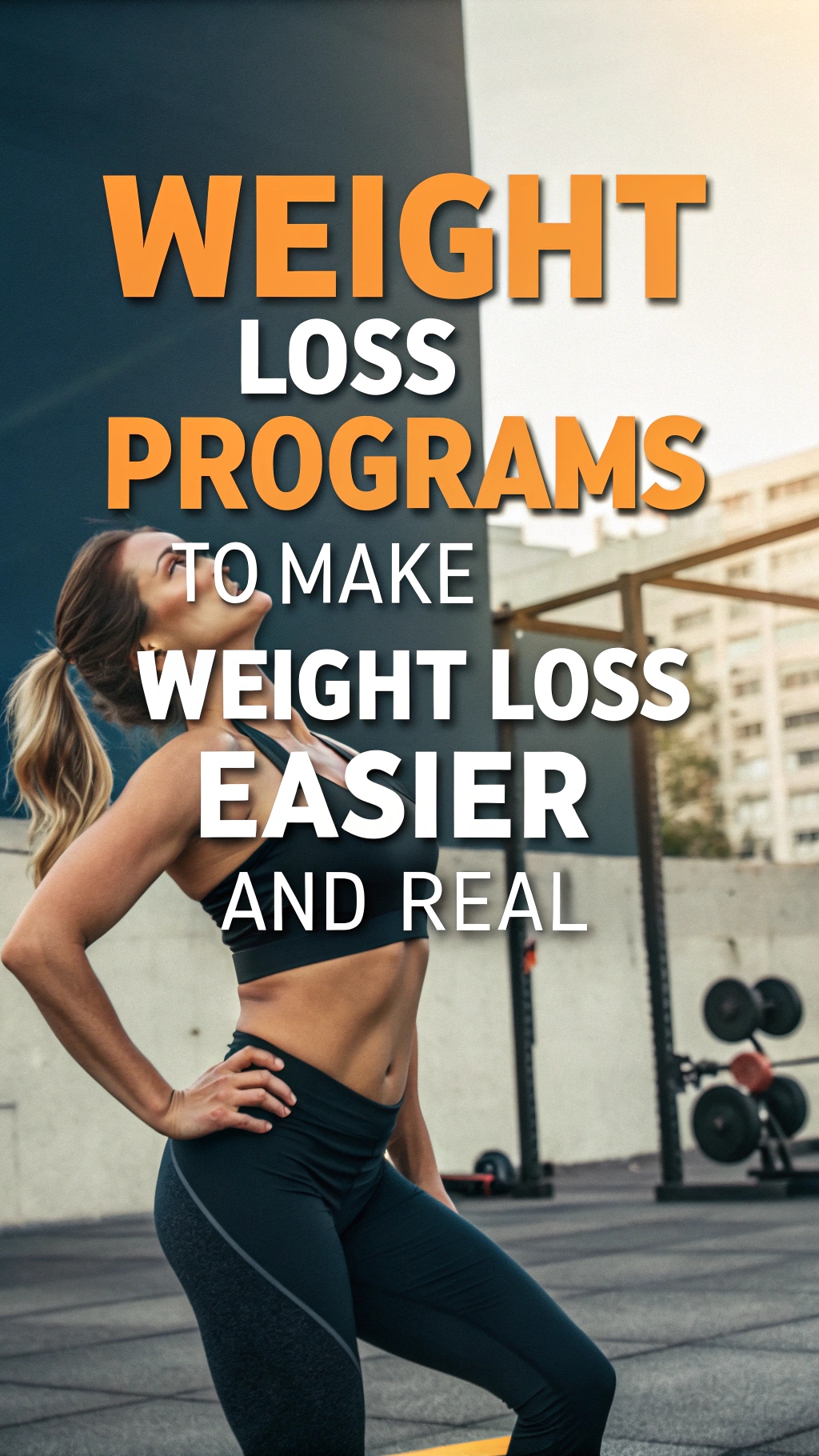
Weight Loss Programs to Make Weight Loss Easier and Real
Weight Loss Programs: Beyond Calories – Mending the Fundamentals for Long-Lasting Results
Tired of the rollercoaster of fad diets and short-term weight loss? Would you like a program that doesn’t merely count calories and promises a healthy, sustainable method of losing weight? You’re not alone. Increasing numbers of people are becoming aware that effective, long-term weight loss is achieved by addressing the fundamentals of how the body works. In this blog, we discuss the importance of these fundamentals and highlight weight loss programs that focus on them.
Why the Basics Are Important:
The prevailing weight-loss narrative for decades has been simple: calories in, calories out. While this equation is undeniably important, it’s a colossal oversimplification. The body is a complex, integrated system, and there are influences outside of calorie intake at work that significantly impact weight management. Not addressing these basic areas typically leads to:
- Weight Regain: Focusing solely on calorie restriction often leads to metabolic adaptation, slowing your metabolism and making it easier to regain lost weight.
- Nutrient Deficiencies: Restrictive diets can leave you lacking essential vitamins and minerals, impacting overall health and potentially hindering weight loss.
- Hormonal Imbalances: Dieting interferes with hormones that regulate hunger, fullness, metabolism, and fat storage, leading to cravings and making it difficult to maintain the weight loss.
- Lack of Sustainability: Programs that don’t harmonize with your body’s natural processes are difficult to maintain in the long run, leading to frustration and failure.
Try this program
Lean Body MASTERY Program
The Pillars of Fundamental Weight Reduction:
Successful weight reduction programs that truly “fix the fundamentals” operate by targeting these essential areas:
- Hormonal Balance: Evidently, hormones like insulin, cortisol, leptin, and ghrelin play significant roles in weight management. Programs for hormonal balance can entail:
- Prioritizing whole, unprocessed foods: Refraining from processed food, refined carbs, and added sugar stabilizes blood sugar levels and reduces insulin spikes.
-
Managing stress: Chronic stress raises cortisol, which can promote fat storage around the belly. Try stress-reducing activities like meditation, yoga, or spending time outside.
- Sleeping enough: Sleep deprivation devastates hormones that regulate hunger and fullness. Aim for 7-9 hours of good quality sleep every night.
-
Gut Health: The microbiome of the gut is responsible for digestion, nutrient absorption, and even metabolism. Imbalances in gut bacteria can cause inflammation, which will make it hard to lose weight. Diets that promote gut health include:
- Consuming foods that are rich in fiber: Fiber feeds healthy gut bacteria.
-
Including foods that contain probiotics: Yogurt (if tolerated), sauerkraut, kimchi, and other fermented foods can introduce beneficial bacteria.
- Consuming prebiotics: Prebiotics are food for probiotics.
- Avoiding processed foods, which often include ingredients that are unhelpful to gut health.
-
Metabolic Efficiency: Your metabolism determines how efficiently your body burns calories. Programs that boost metabolic efficiency include:
- Resistance training: Building muscle mass increases your resting metabolic rate, so you burn more calories even when you’re still.
- High-intensity interval training (HIIT): HIIT workouts can boost metabolism and improve fat burning.
-
Adequate protein intake: Protein has a higher thermic effect than carbohydrates or fat, so your body burns more calories to process it.
- Practice mindful eating: Mindful eating helps you focus on your body’s hunger and fullness cues, preventing overeating.
-
Nutrient Optimization: Instead of just restricting calories, these programs focus on providing the body with the nutrients it needs to function at its optimal level. This includes:
- Focusing on whole, nutrient-dense foods: Choosing whole, unprocessed foods that are rich in vitamins, minerals, and antioxidants.
- Consuming adequate protein: Protein is needed for the building and repair of tissues, maintenance of muscle mass, and causing satiety.
- Incorporating healthy fats: Healthy fats are absolutely necessary for hormone production, brain function, and overall well-being.
Finding the Perfect Program for You:
Lean Body Makeover Program
When choosing a weight loss program, look for one that:
- Provides personalized assessments: Understanding your individual needs and goals is vital.
- Emphasizes whole foods: A diet rich in fruits, vegetables, lean protein, and healthy fats should be the cornerstone of the program.
- Incorporates exercise: The program should include a well-rounded exercise program with resistance exercise and cardiovascular exercise.
- Offers support and guidance: Look for programs that provide ongoing support from qualified professionals, such as registered dietitians, certified personal trainers, or health coaches.
- Promotes sustainable lifestyle change: It strives for habits in the long term, not a quick fix.
Weight loss is not simply about losing weight, but about optimizing your body’s inner workings for happiness and health in the long run. By working on hormonal balance, gut health, metabolic efficiency, and nutrient optimization, weight loss programs can help you achieve sustainable results and build a healthier, happier you. Have fun along the way, keep it simple, and bask in the positive changes you feel with each passing day!