
How Inefficient Foods Cause Weight Gain Fast
The Sneaky Offender: How “Inefficient” Foods Add Up to the Pounds
We all know the basics of weight management: eat less than you burn. But what if I said to you that not all calories were created equal? What if some foods were inherently “inefficient,” so that you put on weight more quickly even when you are pretty careful about what you’re eating? Let’s delve into the world of inefficient foods and how they can cause rapid weight gain.
What Makes a Food “Inefficient?”
By “inefficient,” we’re not attempting to speak of ethical flaws of a food. Instead, we refer to the ability of the food to:
- Provide Satiety (Sense of Fullness): Does the food maintain a feeling of fullness and satisfaction for a reasonable length of time? Or does it induce a hankering shortly after you’ve eaten it?
- Hormone Effect: Does the food trigger hormonal responses that make you store fat or trigger hunger?
- Requires Energy to Digest: Does your body expend a great deal of energy digesting food, or does it readily digest and assimilate?
The Problem with Inefficient Foods:
Inefficient foods usually fall into these categories:
- Highly Processed Foods: Think about chips, cookies, sweet breakfast cereals, and fast foods. These tend to be optimized for maximum taste and texture, contain high levels of refined carbs, unhealthy fats, and added sugars. They are also typically low in fiber, protein, and other satiety-stimulating nutrients. This leads you to consume a high volume of calories without becoming full, resulting in you consuming too much.”.
- Example: A small packet of potato chips can contain hundreds of calories with minimal to no nutritional value and minimal impact on your hunger.
- Refined Carbohydrates: White bread, pasta, and rice are quickly broken down into glucose, quickly spiking blood sugar levels. This causes an insulin surge that not only enables fat storage but also can cause a crash in blood sugar afterwards, creating hunger and craving.
- Example: Eating a bowl of plain white pasta for dinner will readily spike blood sugar, leading to potential fat storage and hunger spells later.
- Added Sugars: Sweet drinks (soda, juice), sweets, and pastries yield empty calories with negligible or no nutrient content. They lead to quick energy peaks and crashes, generating hunger for still more sugar and causing people to overconsume. Furthermore, fructose, which is found in most processed food and fruit juice, is metabolized primarily in the liver, which can cause insulin resistance and fat accumulation.
- Example: A can of soda can contain a high amount of added sugar, resulting in additional calories and fat storage without a feeling of fullness.
- Unhealthy Fats (Trans Fats & Saturated Fats): While healthy fats are needed, some fats cause weight gain. Trans fats (in some processed foods) and excessive amounts of saturated fats (in red meat, processed meats, and some dairy products) have been linked to increased inflammation and potential interference with metabolic function.
- Example: Having fried foods or processed meats containing high amounts of unhealthy fats daily will add additional calories and stop weight loss.
The Negative Side of Inefficiency:
The constant consumption of inefficient foods can trigger a domino effect of unfavorable consequences:
- Overeating Calories: Eating calorie-dense, low-satiety foods has the tendency to lead to overeating.
- Hormonal Disbalance: Disrupts hormone balance, in particular, insulin and leptin (hunger hormone).
- Resistant Insulin: Makes your body insulin resistant, the worst possible to lose weight.
- Addiction Phase: Creates vicious cycles of overindulgence in more negative food sources.
- Slow Downed Metabolism: Slows down metabolism to such an extent, resulting in a slow loss of calories.
- Fat Storage: Promotes fat storage, especially in the abdominal area.
Adaptation to Efficient Foods:
The solution is simple, yet not easy: prefer efficient foods! Here’s why:
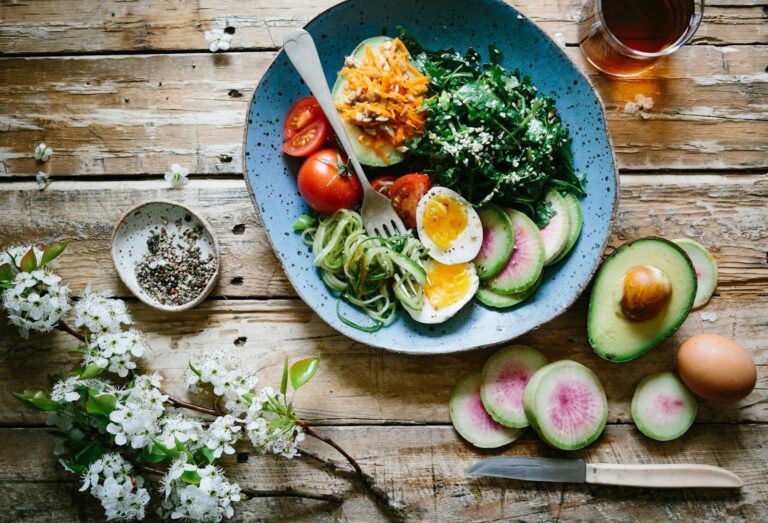
- Whole, Unprocessed Foods First: Consume fruits, vegetables, lean protein, whole grains, and healthy fats.
- High Fiber and Protein First: They are the hunger-controlling nutrients and keep your blood sugar level.
- Home Cooking: This allows you to control ingredients and avoid added sugars, unhealthy fats, and excessive sodium.
- Food Label Reading: Watch for added sugars, trans fats, and calorie count.
- Mindful Eating: Pay attention to your hunger and fullness cues.
- Healthy Fats: Incorporate healthy fats like avocados, olive oil, nuts, and seeds into your diet.
Eat Smart, Fill Up, and Flourish
Being aware of the meaning of “inefficient” foods can be a life-saver for your weight loss program. By being intelligent in your food choices and concentrating on nutrient-dense foods that make you feel more satisfied, you can build a diet that complements your weight loss program and your overall health. So, goodbye to inefficient foods and hello to the power of efficient foods to feel fuller, healthier, and more vibrant!